What Are the Top Oval Tablecloth Types for 2026?

Time:2026-09-30 Author:Sienna
0%

Oval Tablecloth trends for 2026 are moving beyond decoration. They now balance proportion, protection, sustainability, and everyday performance. The Business Research Company’s 2024 Table Linen Global Market Report identifies hospitality recovery, online retail, and premium household products as important market influences. Grand View Research’s home décor studies also point toward natural fibers, responsible sourcing, and tactile finishes. However, neither report isolates oval shapes clearly. That gap deserves caution.

For shoppers, the leading Oval Tablecloth types may include washed linen, cotton-linen blends, recycled polyester, stain-resistant performance fabrics, and reusable coated textiles. Each option creates a different experience. Washed linen gives a relaxed, softly wrinkled edge. Cotton blends provide easier washing and steadier drape. Coated fabrics suit busy kitchens, but some can feel cold or overly shiny. The best choice depends on table width, drop length, laundering habits, and the meal setting.

Table-linen designer Kim Seybert offers a practical design principle: “The table should feel inviting before the meal begins.” Her perspective suits the 2026 conversation, where visual warmth must meet measurable function. A beautiful cloth that slides, shrinks, or stains quickly is not a successful purchase. That sounds obvious, yet many buying guides overlook it. This overview compares the strongest Oval Tablecloth materials, finishes, sizes, and use cases. It also considers sustainability claims carefully, because “eco-friendly” labeling can hide unclear fiber origins, chemical treatments, or weak durability. Perfect answers are unlikely. Better decisions come from honest trade-offs, clear measurements, and evidence from manufacturers and independent textile testing.
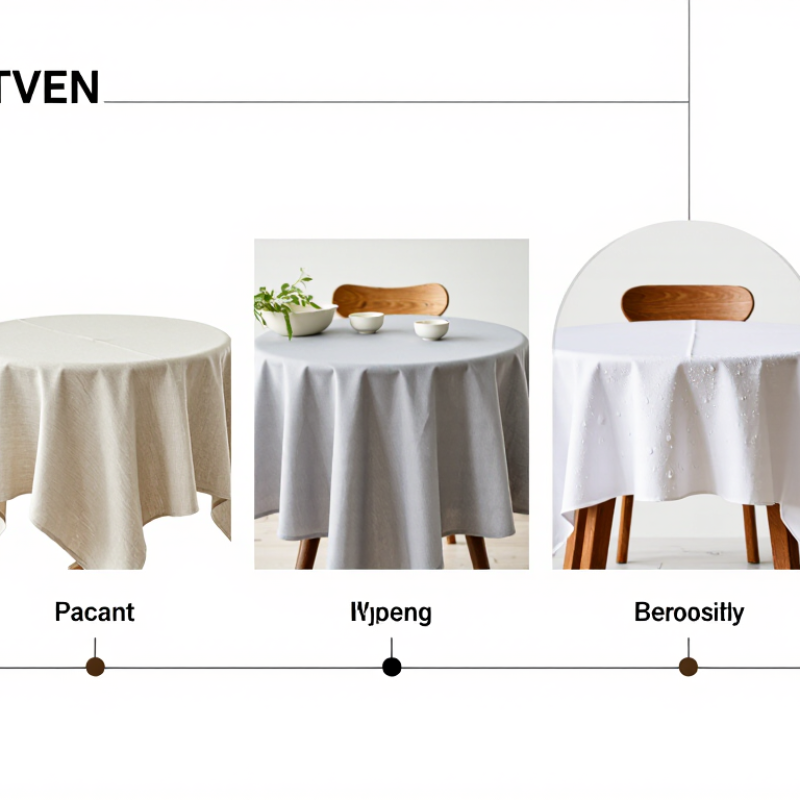
What Are the Top Oval Tablecloth Types for 2026?

Key Features Defining Oval Tablecloths in 2026

In 2026, oval tablecloths are defined less by decoration and more by measurable performance. Grand View Research values the global home textiles market at about USD 133.5 billion in 2023, with continued growth expected through 2030. This expansion supports practical oval designs, including washable cotton blends, recycled polyester, linen-look fabrics, and coated options for outdoor dining. The best types should follow the table’s curve without pulling at the corners.

Fit remains crucial. A useful oval cloth should provide an even drop, stable stitching, and enough weight to resist sliding. Water-repellent finishes can protect against coffee and sauce, but they should not create a stiff, plastic surface. Some buyers prefer soft linen blends for daily meals, while families may choose tightly woven polyester for repeated washing. I still find “easy-care” claims too vague. Testing shrinkage and colorfastness is more reliable than trusting a sales label.

Material transparency will also shape 2026 purchasing decisions. Textile Exchange’s 2024 Materials Market Report recorded approximately 124 million tonnes of global fiber production in 2023, highlighting the scale of textile consumption. Recycled fibers, traceable content, low-impact dyes, and repairable hems therefore matter more than surface novelty. A thoughtful oval tablecloth should disclose its fiber mix and washing limits. Small details matter. Even so, no fabric solves every problem, especially when stain resistance conflicts with softness or breathability.

Top Fabric Types for Oval Tablecloths

What Are the Top Oval Tablecloth Types for 2026?

Top Fabric Types for Oval Tablecloths

Cotton remains a practical choice for oval tablecloths in 2026. It feels soft, absorbs small spills, and suits everyday dining. Woven cotton also creates a relaxed, natural texture around the table edge. However, it may wrinkle after washing. That is not always a flaw. Some homes prefer that lived-in appearance.

Linen offers stronger visual appeal for dinners, celebrations, and well-styled dining rooms. Its loose fibers create gentle folds instead of stiff creases. Linen also feels breathable during warm seasons. Yet, pure linen needs careful washing and regular pressing. A linen-cotton blend can provide easier maintenance without losing much of its character. Polyester remains useful for busy households because it dries quickly and resists many stains. Its surface can feel less warm than natural fabric.

Tips: Measure the tabletop before choosing fabric. Add enough drop for comfortable coverage, usually 20 to 30 centimeters per side. Test a small fabric corner first. Some colors change after washing. Dark shades may also show lint more clearly. For outdoor meals, choose a tightly woven, quick-drying fabric. For formal use, linen or a refined blend usually looks more balanced. Check the care label carefully, because fabric performance depends on finishing treatments and washing habits.

Popular Oval Tablecloth Styles and Their Best Uses

Oval tablecloths are gaining attention as dining spaces become more flexible. Grand View Research valued the global table linen market at about USD 10 billion in 2023, with steady growth expected through 2030. This trend supports practical, decorative choices for oval tables.

Cotton and cotton-blend cloths suit everyday family dining. They feel comfortable, wash easily, and hide small crumbs with woven textures. Choose a drop of 20 to 30 centimeters for a neat appearance. Linen creates a softer, more relaxed setting for weekend meals. It wrinkles easily. That is part of its character, although not everyone appreciates it.

For formal dinners, jacquard oval cloths add depth without requiring heavy decoration. Their raised patterns work well with plain ceramic plates and warm lighting. Outdoor gatherings need coated polyester or tightly woven synthetic fabric. These materials resist light spills and dry faster after unexpected rain. The Freedonia Group’s household textile research links convenience and easy care with continued consumer demand, especially in busy homes. However, coated fabrics can feel less natural and may trap heat during summer meals. Buyers should check washing instructions, table length, and actual fabric weight before purchasing. Textile Exchange’s preferred-fiber reports also show growing interest in lower-impact materials, but sustainability claims vary widely between suppliers. A recycled-fiber label alone does not prove better performance.

What Are the Top Oval Tablecloth Types for 2026? - Popular Oval Tablecloth Styles and Their Best Uses

Tablecloth Type Typical Material or Construction Look and Feel Best Uses Care and Practical Notes
Cotton Woven natural cotton fibers Soft, breathable, and available in both casual and formal designs Everyday dining, family meals, and relaxed gatherings Many cotton cloths can be machine-washed, but follow the care label. Cotton may wrinkle and can shrink if washed or dried at high heat.
Linen Woven flax fibers Textured, lightweight, and naturally relaxed in appearance Brunches, dinner parties, and settings where a natural, understated look is wanted Linen wrinkles readily. Check the care label; gentle washing and prompt smoothing can help reduce deep creases.
Polyester Woven or knit synthetic polyester fibers Often smooth, colorfast, and available in a wide range of patterns Frequent use, celebrations, and households looking for an easy-care option Care varies by finish, but many polyester tablecloths are machine-washable and dry relatively quickly. Follow the product instructions.
Vinyl or PVC-Coated Plastic surface, sometimes backed with fabric Smooth, practical, and designed for easy surface cleanup Outdoor meals, craft areas, and casual dining where spills are likely Usually wiped clean with a damp cloth. Avoid high heat and abrasive cleaners unless the care instructions say otherwise.
Oilcloth-Style Fabric with a coated, water-resistant surface Bright, patterned, and more structured than many uncoated fabrics Kitchen tables, picnics, and informal indoor or outdoor meals Typically easy to wipe down. Coatings and cleaning requirements differ, so check the label before washing or ironing.
Lace Openwork fabric made from cotton, synthetic fibers, or blends Decorative, delicate, and often partly transparent Formal occasions, decorative layering, and adding detail over a plain base cloth Can snag or stretch; gentle handling is recommended. Lace is primarily decorative and may offer limited protection from spills.
Jacquard Pattern woven into the fabric; fiber content can vary Raised or textured woven motifs with a more tailored appearance Holiday meals, formal dining, and occasions that call for a patterned cloth Care depends on the fibers and finish. Check the label rather than assuming all jacquard cloths are washable in the same way.
Quilted or Padded Layered fabric with stitched or padded construction Soft, substantial, and less likely to shift than a thin cloth Everyday dining and tables where a cushioned layer is useful Bulkier construction can take longer to dry. Confirm washing instructions and make sure the oval shape fits the table evenly.

Fit tip: Measure the table’s length and width, then add twice the desired drop to each measurement. For example, a 20-inch drop adds 40 inches to both the table length and width. Check the finished oval dimensions before purchasing.

How to Choose the Right Size, Drop, and Fit

Choosing an oval tablecloth in 2026 starts with accurate measurements, not decoration. Measure the table’s longest length and widest width. Add twice your preferred drop to both numbers. For everyday dining, an 8–12-inch drop usually feels balanced. A 15-inch drop creates a more formal appearance, but it may brush guests’ knees.

The cloth shape matters. An oval tablecloth follows the tabletop smoothly and reduces awkward corner folds. Rectangular cloths can work in emergencies, though the extra fabric may hang unevenly. Washable cotton blends suit regular family meals, while linen offers natural texture and softer drape. Polyester resists spills and keeps its shape, but some fabrics can feel less breathable. Check the care label carefully. Shrinkage can quietly change the fit after washing.

Tips: Measure twice. Check the drop.

I once chose a cloth by length alone, and the width looked nearly right. It was not. The center fit well, but the sides rose too high after sitting. Leave room for chair movement and table leaves. If your table expands, measure it both closed and extended. A slightly shorter drop is often safer than excess fabric around children or busy walkways. Flat-lay photos can mislead, so read the finished measurements and fabric weight before buying.

Sustainable Features and Care Requirements to Compare

For 2026, oval tablecloth choices should be compared by fiber origin, durability, and care demands. Linen remains a strong option because its flax crop often needs less irrigation than cotton. Organic cotton offers a softer hand, but it may shrink without careful washing. Recycled polyester resists wrinkles and dries quickly, making it practical for busy dining rooms. However, it can release microfibers during laundering. No fabric is perfect.

Textile Exchange’s Materials Market Report 2024 recorded global fiber production at about 124 million metric tonnes in 2023. The report also noted that recycled polyester reached roughly 8.9 million tonnes. That figure shows progress, but recycled content does not solve every environmental concern. Check the percentage, fiber blend, and construction before buying. A tightly woven cloth usually survives repeated washing better than a loosely woven decorative version.

Care requirements can change the real sustainability of an oval tablecloth. Wash linen and cotton on cooler cycles, avoid harsh bleaching, and line-dry when possible. Recycled polyester usually needs low-temperature washing and should not be exposed to high dryer heat. Use a laundry bag to reduce fiber shedding, although this method is not flawless. The European Environment Agency has reported that longer textile use can substantially reduce environmental pressure. In practice, remove stains quickly, rotate several cloths, and repair small pulled threads before they widen. A slightly creased linen cloth may be more sustainable than a perfectly pressed one.

Top Oval Tablecloth Types for 2026: Sustainability and Care

Typical gentle machine-wash temperatures are shown for comparison; actual care instructions vary by product, so follow the care label. Linen is made from flax, organic cotton is grown without synthetic pesticides and fertilizers, and recycled polyester uses recycled plastic feedstock. Consider the full product lifecycle and durability when comparing sustainability.

FAQS

Which oval tablecloth fabric works best for everyday family meals?

Cotton and cotton blends feel comfortable, wash easily, and hide small crumbs in their woven texture. They are practical, not perfect.

When is linen a good choice for an oval table?

Linen suits relaxed weekend meals because it drapes softly and feels natural. Expect wrinkles. Some diners may dislike that unfinished look.

What fabric is suitable for formal dinners?

Jacquard adds raised patterns and visual depth without heavy decoration. Pair it with plain ceramic plates and warm lighting.

Which tablecloth materials work outdoors?

Coated polyester and tightly woven synthetics resist light spills and dry quickly after brief rain. They can feel less natural in summer.

How should I measure an oval tablecloth?

Measure the longest length and widest width. Add twice your preferred drop to both measurements. Measure carefully.

What tablecloth drop usually looks balanced?

An 8–12-inch drop suits everyday dining. A 15-inch drop looks more formal but may touch guests’ knees.

Can a rectangular cloth replace an oval tablecloth?

It can work temporarily, but extra fabric may hang unevenly. An oval cloth follows the tabletop more smoothly and reduces awkward folds.

What should I check before buying a washable tablecloth?

Read the finished measurements, fabric weight, care label, and shrinkage guidance. Measure expanding tables both closed and extended.

Are recycled fibers always the most sustainable choice?

No. Check the recycled percentage, fiber blend, durability, and washing needs. A recycled label alone proves very little.

How can I extend a tablecloth’s useful life?

Remove stains quickly, wash with cooler cycles, and line-dry when possible. Repair pulled threads early. Perfection is unnecessary.

Conclusion

In 2026, choosing an Oval Tablecloth means balancing appearance, practicality, and a good fit. Key features include a shape that follows the table’s outline, a suitable fabric weight, and a drop that creates the look you want without getting in the way. Cotton and linen offer a natural feel, while polyester and blended fabrics are often easier to care for. Textured weaves and smooth finishes can each suit different occasions, from everyday meals to more formal gatherings.

To find the right option, measure the tabletop and consider how far the cloth should hang on each side. Compare styles and fabrics with your intended use, cleaning routine, and preference for sustainable materials in mind. Reusable fabrics and durable construction may help extend a tablecloth’s useful life. Always check care instructions, since washing temperature, drying method, and ironing needs can vary by material.


Sienna

Sienna

Sienna is a skilled marketing professional with a deep expertise in our company’s core products and services. With a passion for innovation and detail, she plays a pivotal role in crafting insightful blog posts that not only highlight the unique features of our offerings but also provide valuable......