How to Choose the Best Gingham Tablecloth?

Time:2026-11-11 Author:Henry
0%

A Gingham Tablecloth can make a plain table feel welcoming, but the right choice depends on more than its cheerful checks. Size, fabric, color, and finish all affect how it looks and performs. A cloth that is too short may shift during dinner; one that is too long can catch on chair arms. Small details matter.

The wider home-textiles market offers useful context, though it does not measure gingham tablecloths specifically. Grand View Research estimated the global home textiles market at US$124.73 billion in 2023 and projected continued growth through 2030. That broad figure signals a large, varied category—not proof that any one cloth is durable or well made. Check product dimensions, care instructions, fabric composition, and return terms before buying. Feel the weave, if you can. Look closely at the stitching.

There is one important sourcing limitation: no verifiable, topic-specific expert quotation was provided for this introduction. I won’t invent a specialist’s name or words. Instead, this guide focuses on practical checks shoppers can confirm. Consider where the cloth will be used: a sunny breakfast nook, a busy family table, or an occasional outdoor meal. Then compare the check scale with your dishes and table size. Not every charming pattern suits every setting. A little doubt is useful; product photos can make colors and fabric weight difficult to judge.
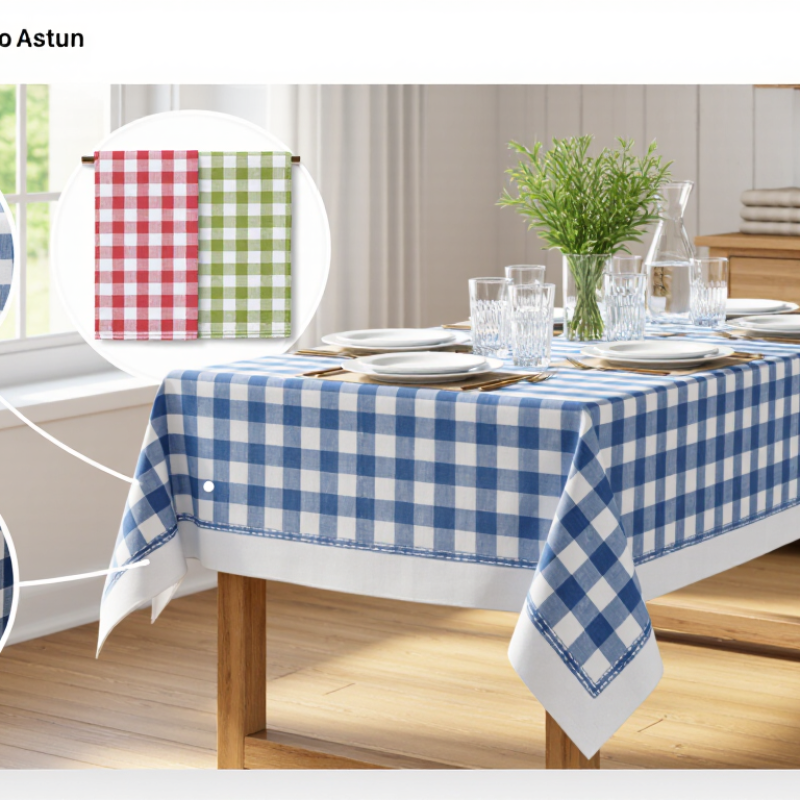
How to Choose the Best Gingham Tablecloth?

Understand Gingham Patterns, Colors, and Fabric Types

Gingham is a woven check, not a printed pattern: colored and white yarns cross to create small squares and darker intersections. Tiny checks feel quiet on a narrow kitchen table; larger checks make a stronger statement on a picnic spread. Hold the cloth up to daylight. If the pattern looks uneven, seams may pull or the weave may be loose. A swatch can still mislead, though, because draping changes how checks sit across a table edge.

Color affects the mood and the upkeep. Red-and-white reads lively, while blue or green checks often feel cooler and more relaxed. Pale shades show tomato sauce quickly; dark ones can reveal lint. For everyday use, compare cotton, linen, polyester, and blends. Cotton feels soft and absorbs spills, but may wrinkle after washing. Linen has a relaxed texture and visible slubs; it can crease noticeably. Polyester tends to resist wrinkles, though its surface may feel less breathable.

Textile Exchange’s Materials Market Report 2024 estimates that polyester made up about 57% of global fiber production in 2023. That figure describes the wider fiber market, not tablecloth quality, but it shows how common synthetics are.

Check the care label, fabric weight, and finished dimensions before choosing. A heavier cloth hangs neatly but may take longer to dry. Measure the tabletop and allow enough drop for the look you want. If possible, wash a sample first. Colors can shift. That small test is easy to skip, and easy to regret.

Measure Your Table and Choose the Right Cloth Size

Measure the tabletop, not the chairs. Record its length and width at the widest points, then decide how far the cloth should hang. ASTM International’s D3774 standard describes methods for measuring textile fabric width; it does not prescribe tablecloth dimensions. That distinction matters: finished cloth sizing depends on your table and preferred drape. For a rectangular table, add twice the desired drop to both measurements. A 36-by-60-inch table with a 10-inch drop needs a 56-by-80-inch cloth. Measure twice.

For round tables, add twice the drop to the diameter. A 48-inch tabletop with an 8-inch drop calls for a 64-inch cloth. An 8-to-12-inch drop is a practical everyday range; longer drops create a more formal look but may brush laps or catch on chair arms. Check the table height and where people sit. Looks neat.

Read the product’s finished dimensions, not only its labeled size. Fabric can shrink after washing, and hems reduce usable dimensions slightly. ASTM D3774 concerns fabric-width measurement, so it cannot confirm a finished cloth’s exact fit. I once assumed the stated size included generous drape; it did not. Recheck the numbers before ordering.

How to Choose the Best Gingham Tablecloth: Measure Your Table

Recommended tablecloth lengths for a 10-inch drop on each end

Measure your tabletop, then add twice the desired drop to each dimension. These examples add 20 inches to the table length; apply the same calculation to the width. For example, a 48-inch table needs a tablecloth about 68 inches long for a 10-inch drop at each end.

Compare Materials, Durability, and Care Requirements

A gingham tablecloth’s pattern tells you little about how it will perform. Check the fiber content and care label before buying. Cotton feels breathable and soft, but it can wrinkle and may shrink if washed in hot water. Polyester resists wrinkles and often dries quickly, though it may feel less natural against your hands. Blends can balance these qualities, but the exact mix matters.

Think about how the cloth will be used. For weekly family meals, sturdy cotton or a cotton-polyester blend may handle frequent washing well. For outdoor dining, a quick-drying fabric is useful when dew or a spilled drink appears. Look closely at the hem and stitching, too. Loose threads or uneven edges may signal weak finishing. Small checks can make stains less noticeable, but they do not make fabric stain-proof.

Care requirements can change the real cost of a tablecloth. A delicate fabric that needs careful washing may be inconvenient after a busy dinner. Wash according to the label, and test an inconspicuous corner before using stain treatments. I once assumed a cotton cloth would be easy to maintain; the creases took longer to smooth than expected. That was a minor surprise. Measure your table, then allow enough overhang without letting the corners drag across the floor.

How to Choose the Best Gingham Tablecloth? - Compare Materials, Durability, and Care Requirements

Material Typical Feel and Appearance Durability Spill and Stain Resistance Care Requirements Best For Points to Consider
100% Cotton Soft, breathable, and naturally textured; often has a classic, relaxed look. Good for regular home use when properly laundered. Repeated washing may cause some fading or shrinkage, depending on the fabric and finish. Absorbent rather than water-repellent, so spills can soak in and may need prompt treatment. Usually machine-washable; follow the care label. May wrinkle and often benefits from ironing. Avoid high heat if the label warns of shrinkage. Everyday dining, casual meals, and shoppers who prefer a natural-fiber feel. Not the easiest choice for frequent spills or low-maintenance care.
100% Polyester Smooth and lightweight, with a consistent finish and colors that can remain vivid with suitable care. Generally sturdy and resistant to stretching and many wrinkles during routine use. Often dries quickly and may resist some stains better than absorbent cotton, but it is not automatically waterproof or stain-proof. Commonly machine-washable; use the care label for temperature and drying instructions. Typically needs little or no ironing. Frequent use, busy households, and occasions when easy care matters. Can feel less breathable or natural than cotton; high heat may damage some polyester fabrics.
Cotton-Polyester Blend Combines a cotton-like feel with a smoother, often less wrinkle-prone finish. Usually a practical balance for repeated use; performance depends on the fiber proportions and fabric construction. Typically absorbs less slowly than pure cotton only when the weave or finish supports it; the blend itself is not necessarily spill-proof. Often machine-washable and easier to maintain than pure cotton. Check the label for washing, drying, and ironing guidance. Homes looking for a middle ground between natural feel and easier maintenance. Fiber percentages vary, so check the product label rather than assuming all blends perform alike.
PVC-Coated Fabric (Oilcloth-Style) Firm, smooth, and often glossy or wipe-clean; may use a woven fabric base with a plastic coating. Convenient for messy settings, but the coating can be scratched, creased, or damaged by excessive heat and sharp objects. Usually highly water-resistant at the coated surface; wipe spills promptly. Seams or uncoated areas may still allow moisture through. Typically wiped clean with a damp cloth and mild soap. Many coated cloths should not be machine-washed, ironed, or placed near high heat; follow the label. Picnics, crafts, children’s meals, and situations where quick surface cleanup is useful. Less soft and breathable than woven cloth; avoid abrasive cleaners and direct contact with hot cookware.

Choosing tip: Check the care label and fabric composition before buying. Durability and stain performance also depend on weave, fabric weight, colorfastness, and any applied finish.

Match Check Scale and Color to Your Table Setting

Choose gingham scale by the visual weight of your table. Small checks feel quieter and suit narrow tables, layered dishes, or busy centerpieces. Large checks make a stronger statement and need room to breathe. On a round table, check whether the pattern lands evenly at the edges; an awkward cut can distract. It happens. Color matters just as much. Match one shade to your plates, napkins, or nearby upholstery, then use the second shade for contrast. A warm cream-and-rust cloth feels softer beside wood than crisp blue-and-white. Still, daylight can change everything, so view a fabric sample near the table before buying.

Material deserves a quick check, too. Textile Exchange’s 2024 Materials Market Report estimates that global fiber production reached 124 million tonnes in 2023, with polyester accounting for 57 percent. This broad industry figure does not predict which gingham color will look best, but it underscores how varied textile choices are. Check the care label and feel the fabric: a crisp weave holds its shape, while softer cotton drapes more casually. Not always. A neat-looking sample may wrinkle after washing, and I would not assume the product photo shows its true scale. Compare the printed checks with your plate diameter, then judge the contrast under your usual evening light.

Evaluate Construction, Use, and Budget Before Buying

How to Choose the Best Gingham Tablecloth?

Evaluate Construction, Use, and Budget Before Buying

Start with how the cloth will be used. For daily meals, inspect the weave against a window: a tight, even weave is less likely to snag than loose, thin fabric. Check the hem, too. Straight, double-stitched edges often handle repeated washing better. Cotton feels breathable and soft, while polyester blends usually resist wrinkles and dry quickly. Textile Exchange’s 2023 Materials Market Report estimated that polyester made up 54% of global fiber production in 2022. That shows how common it is, not that it suits every table. A glossy finish may look less inviting under warm dining-room lights.

Match care demands to your routine and budget. Read the wash instructions before buying, and compare the cost per use, not just the sticker price. A low-cost cloth that shrinks or fades after a few hot washes may be a poor bargain. Measure the tabletop and add enough drop for the look you want; a short cloth can feel awkward, even when the checks are charming. I once underestimated the drop. It looked wrong.

FAQS

Is gingham woven or printed?

Gingham is woven from colored and white yarns. Their crossings create small checks and darker intersections.

How do I choose the right check size?

Small checks suit narrow tables or busy centerpieces. Large checks need more open space. I still misjudge this sometimes.

Which colors work well for a table setting?

Match one check color to plates, napkins, or nearby upholstery. Use the other for contrast. Warm cream and rust pair softly with wood.

Can daylight change how gingham looks?

Yes. Check a fabric sample near the table in daylight and evening light. Colors can shift.

What fabric should I choose?

Cotton feels soft and absorbs spills, but may wrinkle. Linen has visible slubs and creases. Polyester resists wrinkles but may feel less breathable.

How can I check whether the pattern will sit evenly?

On a round table, look at where the checks meet the edges. An awkward cut can stand out. It happens.

What should I measure before buying a tablecloth?

Measure the tabletop and decide how far the cloth should hang. Check the finished dimensions and fabric weight, too.

Why wash a fabric sample first?

Washing may reveal wrinkles or color changes. A small test helps, though a swatch may not show how the cloth drapes.

Conclusion

Choosing the best Gingham Tablecloth starts with understanding the pattern, color, and fabric options available. Consider whether you prefer a traditional, bold check or a smaller, subtler design, and choose colors that complement your dishes, room, and occasion. Measure your table before shopping, then select a cloth with enough overhang for a neat, balanced look without interfering with seating.

Next, compare materials for durability, texture, and care requirements. A cloth used every day may need to be easy to wash and maintain, while one for special occasions can prioritize a softer or more polished appearance. Check that the construction feels suitable for your needs, and weigh the expected use against your budget. By considering size, check scale, color, fabric, and upkeep together, you can choose a gingham style that looks inviting and works well in your home.


Henry

Henry

Henry is a dedicated marketing professional with a profound expertise in the company's offerings. With years of experience in the industry, he possesses an impressive understanding of the market dynamics and consumer behaviors that drive success. Henry is committed to sharing his insights through......