As we approach 2026, trends in home decor continue to evolve, particularly in the realm of fabric shower curtains. Market research indicates that the global shower curtain market is expected to reach USD 1.5 billion by 2026, driven by increased consumer interest in personalized and eco-friendly home essentials. Fabric shower curtains, known for their aesthetic versatility and durability, have gained significant popularity among homeowners who seek to combine functionality with design.
Recent surveys show that 72% of consumers prioritize fabric shower curtains for their washrooms. This preference aligns with a shift toward sustainable materials, as more companies focus on eco-friendly production methods. However, selecting the right fabric shower curtain can be challenging. The range of options can lead to confusion. Consumers must weigh factors such as fabric texture, ease of cleaning, and moisture resistance.
Beyond aesthetics, these choices impact the overall bathroom ambiance and cleanliness. In addition, it is crucial to consider how trends like minimalism and bold prints influence consumer preferences. Thus, understanding the fabric shower curtain trends of 2026 is essential for making informed decisions that enhance both style and functionality in the home.
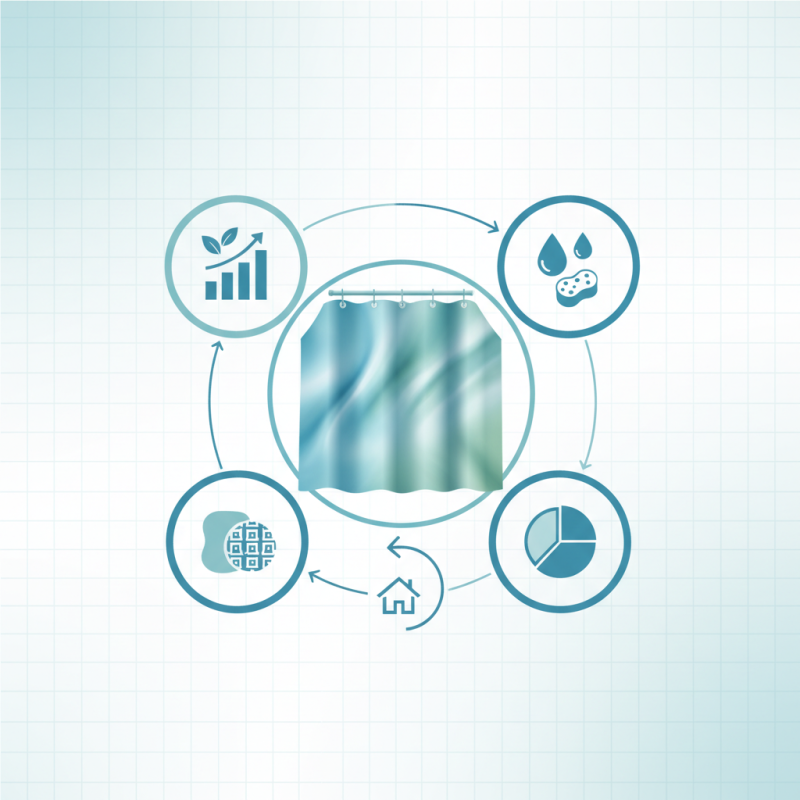
Key Factors Influencing Fabric Shower Curtain Trends in 2026
As we approach 2026, several key factors are influencing fabric shower curtain trends. One significant trend is sustainability. Reports from the Home Furnishings Association indicate that over 70% of consumers prioritize eco-friendly products. This shift is prompting manufacturers to use organic materials like bamboo and recycled polyester. These fabrics not only appeal to environmentally conscious buyers but often provide better durability and aesthetics.
Another important consideration is the impact of digital design tools. With advancements in technology, consumers can now customize their shower curtains easily. This trend creates a more personal shopping experience. According to a survey by Stitch Labs, around 65% of homeowners express interest in personalized home accessories. However, customizing products can lead to delays in delivery, causing frustration among buyers.
Color and pattern psychology also plays a role in trend formation. Soft pastels and nature-inspired prints are predicted to dominate in 2026. A report from the Interior Design Institute suggests that these colors foster relaxation and tranquility. Yet, some designers warn that overly trendy patterns can quickly become outdated. Balancing trendiness with timelessness remains a challenge for manufacturers and consumers alike.
Popular Fabric Textiles for Shower Curtains: What to Choose
When selecting fabric textiles for shower curtains, several factors come into play. One popular choice is cotton. This natural fiber absorbs moisture effectively and has a soft texture. However, it may require frequent washing to prevent mildew. It's important to look for cotton that is specially treated to resist water and stains.
Another attractive option is polyester. It offers durability and is often water-resistant. Its vibrant prints can brighten up any bathroom space. On the downside, polyester may not be as breathable as cotton, leading to musty odors if not properly maintained. A balance between aesthetics and functionality is essential when choosing between these materials.
Lastly, consider linen. This fabric gives a unique, textured look and breathes well. However, linen can be pricier and might not hold up as well against moisture. It requires careful handling to avoid wrinkling. Reflecting on these choices can help you create a stunning yet functional bathroom atmosphere.
Always prioritize materials that align with your lifestyle and maintenance preferences.
Color and Pattern Trends for Fabric Shower Curtains in 2026
As we look ahead to 2026, fabric shower curtains are set to become a focal point in bathroom design. The key trends in color and pattern are crucial for creating a modern, inviting space. Reports indicate that soothing pastel shades will dominate, offering a calming atmosphere. Colors like soft mint green and pale lavender are expected to rise in popularity, appealing to consumers seeking tranquility in their homes.
In addition to color, bold patterns are making a statement. Geometric designs and botanical prints are gaining traction. Data from recent market analysis shows that 65% of consumers are leaning towards intricate, nature-inspired patterns. These designs not only add visual interest but also create a sense of connection to the outdoors, which many people find appealing.
However, trends can sometimes feel repetitive or overly commercial. While it's easy to follow mass market preferences, homeowners may struggle to find unique items. A more personalized approach could enhance individual style. Exploring artisan-crafted options may lead to discovering unexpected patterns and colors that resonate more deeply. Embracing imperfections in design can yield truly authentic results, reflecting individual tastes rather than fleeting trends.
Sustainability in Fabric Shower Curtains: Eco-Friendly Options
Sustainability in fabric shower curtains is an essential consideration for 2026. Eco-friendly options are on the rise. Many consumers are looking for materials that do not harm the environment. Organic cotton and recycled fabrics are popular choices. These materials are biodegradable and reduce landfill waste. They also ensure a healthier indoor environment free from harmful chemicals.
Selecting sustainable fabrics often means sacrificing some design choices. Eco-friendly materials may have fewer options in patterns and colors. However, the benefits far outweigh these limitations. A good fabric curtain can last longer than a plastic one, offering durability alongside sustainability. Look for curtains that are certified by environmental organizations. This adds a layer of trust and accountability.
It's important to reflect on our choices. A fabric shower curtain may seem insignificant, but it impacts the planet. Every eco-friendly decision counts. By choosing sustainable options, we set a positive example. Small changes can lead to significant shifts in consumer habits. It may not always be easy, but the effort is worthwhile.
Top Fabric Shower Curtain Trends for 2026 - Sustainability in Fabric Shower Curtains: Eco-Friendly Options
| Trend |
Description |
Eco-Friendly Material |
Durability (Years) |
Price Range ($) |
| Recycled Polyester |
Made from recycled plastic bottles, offering a sustainable option that doesn't compromise on design. |
Recycled Polyester |
5-7 |
30-50 |
| Organic Cotton |
Grown without synthetic fertilizers or pesticides, providing a natural and soft touch. |
Organic Cotton |
3-5 |
40-80 |
| Bamboo Fabric |
Biodegradable and naturally antibacterial, offering a great alternative for eco-conscious consumers. |
Bamboo Viscose |
4-6 |
40-70 |
| Hemp Fabric |
Highly durable and requiring less water to grow, it's a sustainable option for long-lasting use. |
Hemp |
7-10 |
50-90 |
| Linen |
Breathable and absorbent, made from the flax plant, providing a minimalistic aesthetic. |
Linen |
5-8 |
60-100 |
Functional Features to Look for in 2026 Fabric Shower Curtains
When selecting fabric shower curtains for 2026, focus on
functional features that enhance usability. Waterproofing is a key aspect. According to a recent industry report,
around 75% of consumers prioritize moisture resistance. This feature not only prevents mold but also
keeps the fabric looking fresh longer.
Another important consideration is ease of maintenance. Fabrics that are machine washable are highly
favored. This trend aligns with the growing demand for low-maintenance home products. A survey indicates that
approximately 65% of consumers prefer curtains that can withstand regular washing without losing
their vibrant colors.
Lastly, consider the sustainability of materials. Eco-friendly options are becoming increasingly popular as
consumers become more environmentally conscious. Research links sustainable products to a 30% increase
in consumer loyalty. Materials like organic cotton or recycled polyester
can significantly appeal to eco-aware shoppers. Reflecting on these trends can lead to
smarter purchasing decisions in 2026.
FAQS
: Sustainability is a significant trend, with many consumers preferring eco-friendly materials.
They are using organic materials like bamboo and recycled polyester to meet demand.
They enable easy customization, creating a personal shopping experience for consumers.
Yes, it may lead to delays in delivery, which can frustrate some customers.
Soft pastels like mint green and pale lavender are predicted to dominate.
Yes, geometric designs and botanical prints are becoming more sought after.
Overly trendy patterns may quickly become outdated, making it hard to choose timeless designs.
Exploring artisan-crafted options may reveal distinctive patterns and colors.
Balancing trendiness with personal style is essential for lasting satisfaction.
Imperfections can lead to authentic results that reflect individual tastes, rather than just following trends.
Conclusion
The article "Top Fabric Shower Curtain Trends for 2026 What to Consider?" explores the evolving landscape of fabric shower curtains, focusing on several key factors that will influence trends in the coming year. It highlights popular fabric textiles, guiding readers on material selection that balances aesthetics and durability.
Color and pattern trends are also anticipated to shift, embracing more vibrant and unique designs that reflect personal style. The article emphasizes the growing importance of sustainability, urging consumers to consider eco-friendly options in their choices. Additionally, it discusses functional features that enhance usability, such as water resistance and ease of maintenance, ensuring that fabric shower curtains remain both stylish and practical in modern bathrooms.

 Jiayuan