In today's world, sustainable living is more important than ever. Many people strive to reduce their environmental impact in various ways. One often overlooked item is the shower curtain. An eco-friendly option can significantly improve your bathroom’s footprint.
Choosing a shower curtain eco-friendly option helps minimize waste. Traditional curtains may contain harmful chemicals. These can leach into the water and affect your health. Eco-friendly alternatives are made from materials like organic cotton and recycled plastics. They are safer, sustainable, and stylish.
However, not all eco-friendly shower curtains are created equal. Some still use questionable fabrics or dyes. It’s essential to research brands and materials before making a choice. This process may take extra effort, but it results in a healthier home environment. Embracing an eco-friendly shower curtain is a step toward a more sustainable lifestyle.
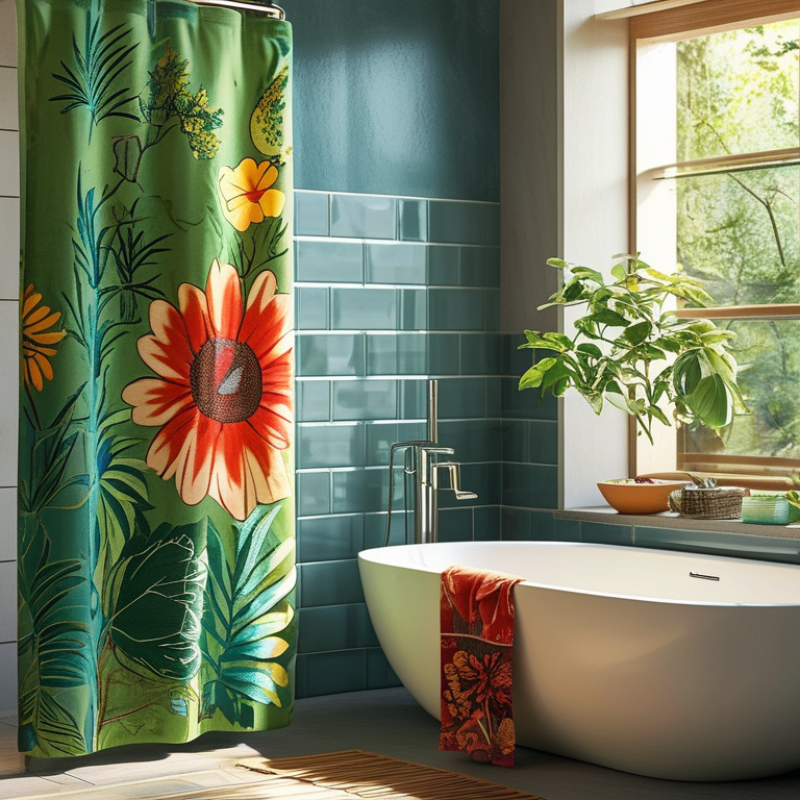
When exploring what makes a shower curtain eco-friendly, the materials used are crucial. Organic cotton, for instance, is a biodegradable option. It avoids harmful chemicals often found in conventional cotton production. Hemp is another great choice. This durable plant grows quickly and requires minimal pesticides.
Design matters, too. Look for curtains with minimal plastic. Curtains made from recycled materials prevent waste. Some even feature water-based inks for printing designs. These choices reduce environmental impact significantly.
Consider how curtains are cleaned as well. Regular washing can lead to a longer lifespan. Using cold water and air drying saves energy. If you opt for machine-washable materials, double-check the care instructions to maximize durability.
Choosing an eco-friendly shower curtain often means reflecting on your overall consumption habits. It’s about balancing sustainability with style. This can be challenging in a market filled with plastic options. An informed decision can make a positive difference for the environment.
When exploring eco-friendly shower curtains, the materials used play a crucial role in sustainability. Traditional vinyl curtains often release harmful chemicals, known as phthalates, into the environment. Research suggests that up to 100% of conventional plastic shower curtains could contain these toxic substances, which can impact indoor air quality. In contrast, materials like organic cotton, hemp, and recycled polyester offer safer alternatives, promoting a healthier living space.
Organic cotton is a standout choice; it is grown without synthetic pesticides or fertilizers. According to the Organic Trade Association, the demand for organic cotton has seen a steady increase, with a 25% growth in the past five years. This eco-friendly option provides durability and is biodegradable, reducing landfill waste. Hemp also emerges as a promising material. Grown quickly and requiring minimal water, it outperforms cotton in ecological efficiency. However, awareness of this material remains limited, challenging its widespread adoption.
Recycled polyester, derived from post-consumer plastics, helps divert waste from landfills. Studies show that products made from recycled materials can cut carbon emissions by over 50% compared to virgin polyester. Awareness about these materials is growing, yet consumers often face confusion regarding certifications and environmental impacts. Selecting a shower curtain made from these sustainable materials not only enhances aesthetics but also aligns with a commitment to sustainable living.
| Material | Sustainability Features | Waterproof Quality | Biodegradable | Maintenance |
|---|---|---|---|---|
| Organic Cotton | Grown without pesticides, machine washable | Moderate | Yes | Requires regular washing |
| Recycled Polyester | Made from recycled plastic bottles | Good | No | Easy to clean |
| Hemp | Naturally resistant to mold and mildew | High | Yes | Regular cleaning advisable |
| Bamboo | Sustainable and fast-growing | Moderate | Yes | Requires careful maintenance |
| Linen | Durable and biodegradable | Good | Yes | Easy to maintain |
When it comes to sustainable living, eco-friendly shower curtains are a significant component. Many brands are stepping up to offer options made from natural materials. These products often include organic cotton or hemp. Such fabrics are biodegradable and less harmful to our planet.
Choosing a shower curtain is not just about style. Consider the environmental impact of production methods. Many brands adopt fair labor practices, ensuring that workers are treated ethically. It’s essential to research certifications that indicate eco-friendliness. Check for organic and sustainable labels while shopping.
While quality matters, cost can be a barrier. Some eco-friendly options may be more expensive than conventional ones. Reflect on the long-term benefits. Investing in sustainable products can reduce waste and promote a healthier environment. Each choice contributes to a larger goal of sustainable living.
Caring for eco-friendly shower curtains ensures they last longer while maintaining their sustainable charm. These curtains, often made from materials like organic cotton or recycled polyester, need special attention. Washing them regularly keeps mold and mildew at bay. Use a gentle cycle with cold water. Avoid bleach, as it can harm the fabric and the environment.
Drying is equally important. Air drying is the safest method. It preserves the material's integrity and colors. If you must use a dryer, opt for a low heat setting. This can prevent shrinking and fading. Remember, even sustainable fabrics can tear or wear out. Inspect your curtains regularly for any signs of damage. Addressing these issues promptly can extend their lifespan.
Consider the hanging mechanism too. Metal hooks may rust over time, leading to stains on your curtain. Switching to plastic or eco-friendly alternatives can mitigate this risk. Regularly adjust your setup to prevent wear and tear. Embracing the idea that perfection is not always possible is important. Small, intentional actions can lead to greater sustainability.
Eco-friendly shower curtains play a significant role in promoting sustainable living. Traditional shower curtains often contain harmful chemicals like PVC, which can emit toxic substances into the air. These chemicals contribute to indoor pollution, affecting our health. In contrast, eco-friendly options are made from natural materials, minimizing these risks. They help create a healthier bathroom environment.
Choosing sustainable materials can also lessen their environmental impact. Many eco-friendly curtains are biodegradable or made from recycled materials. This reduces waste in landfills and helps conserve resources. However, the durability of these products can vary. Some may wear out faster than traditional options, prompting a more frequent need for replacements. Buyers must be aware of this trade-off.
Additionally, the production of eco-friendly curtains might still involve energy-intensive processes. Even though the materials are sustainable, manufacturing can leave a carbon footprint. This calls for a closer look at the entire lifecycle of products. Overall, while eco-friendly shower curtains are a step in the right direction, consumers need to consider these aspects carefully. Making informed choices is crucial for true sustainability.
: Organic cotton and hemp are great biodegradable options. They avoid harmful chemicals during production.
Regular washing helps keep it fresh. Use cold water and air dry to save energy.
Bleach can damage the fabric and harm the environment.
Minimal plastic use and recycled materials significantly reduce environmental impact.
Inspect it regularly. Addressing damages promptly can help extend its lifespan.
Some may wear out faster than traditional options and require more frequent replacements.
Metal hooks can rust, leading to stains on your curtains. Consider plastic alternatives.
They often contain harmful chemicals like PVC, contributing to indoor pollution and health risks.
Manufacturing can still be energy-intensive, leading to a carbon footprint despite sustainable materials.
Yes, but it can be challenging. Make informed choices to achieve both in your bathroom.
In the journey towards sustainable living, selecting the right shower curtain eco can significantly reduce our environmental footprint. Eco-friendly shower curtains are typically made from sustainable materials such as organic cotton, hemp, or recycled plastics, which minimize harmful emissions and waste. Understanding the materials used is crucial for making an informed choice, as these materials contribute to both durability and biodegradability.
Proper care and maintenance of eco-friendly shower curtains are essential for ensuring their longevity and continued environmental benefits. Regular cleaning and responsible disposal practices can enhance their lifecycle while contributing to a more sustainable home environment. Ultimately, choosing eco-friendly shower curtains not only helps in conserving resources but also fosters a healthier living space, making it a simple yet impactful step towards greater environmental responsibility.

Jiayuan