Choosing the right Fitted Tablecloth is more than matching a color to a table. Global buyers must consider fabric weight, elastic strength, edge finishing, stain resistance, packaging, and size accuracy. A cloth may look elegant in a product photo, yet slide during a busy exhibition or wrinkle after one wash. That small failure can affect presentation, customer trust, and repeat orders.
Textile specialist Gail Baugh often emphasizes, “Fabric is the foundation of design.” This principle applies directly to fitted table covers. Polyester may offer practical durability, while stretch fabric creates a smoother, closer fit around folding tables. However, no material performs perfectly in every market. Humid storage, repeated laundering, rough transport, and different table dimensions can expose weaknesses quickly. Buyers should request fabric samples, measured specifications, color references, and care instructions before placing large orders.
This guide reviews seven strong Fitted Tablecloth options for global buyers. Each choice is considered through a practical lens: appearance, fit, durability, maintenance, customization, shipping efficiency, and likely use. Some options suit trade shows with sharp branding. Others work better for hospitality settings, retail counters, or outdoor events. The ranking is useful, but not absolute. A premium cloth may be wasteful for short-term campaigns, while a low-cost cover may require earlier replacement. That trade-off deserves attention. Good sourcing is rarely perfect. It is a careful balance between visual impact, reliable performance, and realistic operating conditions.
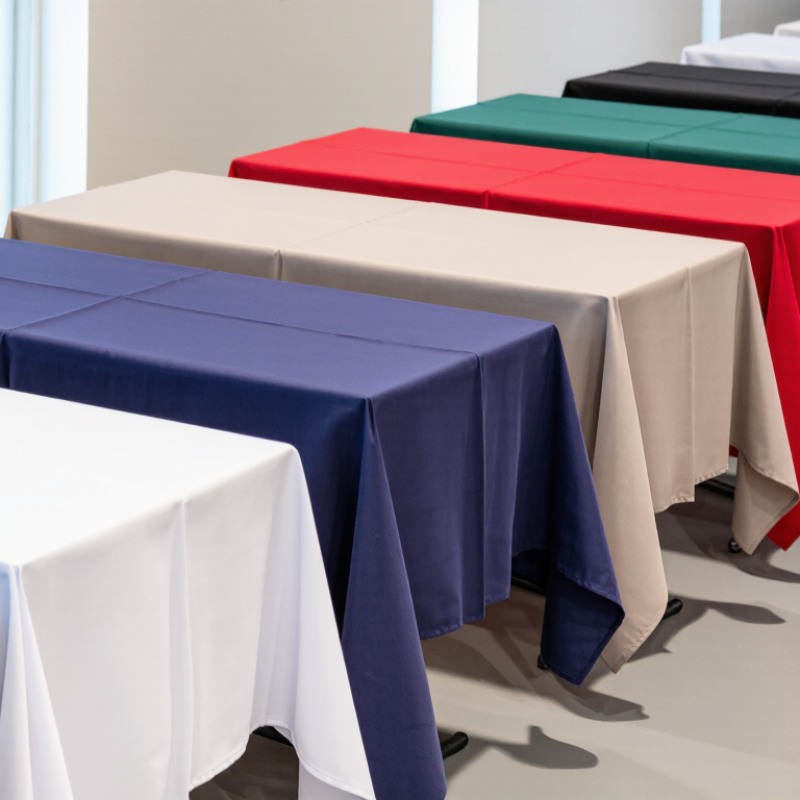
Fitted tablecloths are designed to cover a table closely, rather than hang loosely from its edges. Their elastic corners, stretch panels, or shaped seams help create a cleaner surface. The result looks more tailored and stays in place during meals, exhibitions, and outdoor events. It stays put.
Global buyers often prefer this design because it reduces movement during transport and daily use. A loose cloth can catch on chair arms or slide when guests lean against the table. A fitted version usually gives better control, especially in busy cafés, hotels, schools, and trade displays. It also creates a consistent appearance across different locations.
Measurements still matter. Measure the tabletop length, width, and height before ordering. Measure twice. A cloth that fits a 180-centimeter table may wrinkle badly on a 150-centimeter model. In my experience, corner shape is easy to overlook. Square, rectangular, folding, and banquet tables may need different construction. Not every fit works.
Material choice also affects buying decisions. Polyester is practical for repeated washing, while heavier fabrics can provide better drape and opacity. Buyers should check stitching, seam strength, colorfastness, and washing instructions. Test one sample before placing a large international order. A product may look excellent in a catalog but feel too thin in natural light. Packaging size, care requirements, and local table standards deserve equal attention.
Common commercial table formats used for fitted tablecloth purchasing. Dimensions are shown in inches.
Fitted tablecloths are tailored with elastic edges or reinforced corners so they stay securely on the tabletop. Round and rectangular formats are widely selected by global buyers for events, hospitality, catering, exhibitions, and everyday dining. The best option depends on table shape, tabletop dimensions, thickness, fabric stretch, and the required drop or coverage.
When evaluating fitted tablecloths, start with accurate table measurements. Measure length, width, and tabletop thickness, not just the advertised size. A cloth that fits a 120-centimeter table may fail on a thicker commercial model. Allowing a small tolerance helps prevent strained seams and difficult installation.
Fabric choice affects appearance, durability, and maintenance. Polyester blends resist wrinkles and dry quickly, while heavier woven fabrics create a more formal appearance. Check the fabric weight and colorfastness before placing a large international order. Rub a damp white cloth against the surface. Color transfer is a warning sign. It is a simple test, but often overlooked.
Construction deserves close attention. Strong corner stitching, reinforced hems, and reliable elastic improve stability during transport or outdoor service. Avoid loose elastic that curls after washing.
Review care instructions, shrinkage data, and washing temperatures. One fitted cloth I tested looked excellent initially, yet its corners tightened after repeated hot washing. That experience changed my evaluation process. I now request wash-test samples and inspect seams after several cycles.
For global buyers, packaging and documentation also matter. Confirm carton dimensions, moisture protection, labeling, and available compliance records. Requirements differ across markets, so written verification is safer than assumptions. Ask whether the supplier can provide consistent measurements across production batches. A sample may be perfect. Bulk production can still vary.
Choosing a fitted tablecloth depends on table shape, use, and purchasing conditions. These seven options address different buying needs for homes, events, hospitality, and retail projects. Measure the table before ordering.
A stretch polyester cover suits banquet tables because elastic corners create a neat, secure fit. It also handles frequent washing, although heat can affect its shape.
A fitted cotton tablecloth offers a softer appearance for restaurants, family dining, and small gatherings. It feels comfortable, but wrinkles may appear after transport.
A waterproof coated cover works well for outdoor dining and market displays. Wipe-clean surfaces save time, though some coatings feel less natural.
For formal venues, a wrinkle-resistant fabric gives a polished look with limited ironing. Check the fabric weight carefully; very thin material may show the table underneath.
A fitted table skirt with a separate top can support trade booths, buffet stations, and exhibition counters. It allows easier replacement when the top becomes stained.
For irregular purchasing quantities, a made-to-measure cover reduces sizing waste, but production usually takes longer.
A reusable recycled-fiber option may suit buyers focused on material efficiency. However, recycled content alone does not prove durability.
Ask for fabric specifications, washing instructions, seam photos, and sample swatches. Color can look different under warehouse lighting.
International buyers should also confirm metric measurements, packaging details, and care labels before placing a large order. Mistakes happen, especially when suppliers use different size terms.
Comparing Materials, Sizes, Designs, and Customization Choices
A fitted tablecloth should match the table, not merely cover it. I recommend measuring length, width, and tabletop thickness before ordering. Polyester works well for frequent events because it dries quickly and resists wrinkles. Cotton feels softer and looks more natural, but it may shrink after washing. Stretch fabric creates a clean, tight appearance, especially on folding tables. Waterproof-coated materials suit outdoor dining, although some coatings can feel less breathable.
Size accuracy matters across international markets. Check whether measurements use centimeters or inches. A small difference can create loose corners or exposed legs. I once underestimated fabric shrinkage in a sample, so pre-washing remains important. Designs also affect practical use. Solid colors hide minor stains, while printed patterns can support seasonal displays. Rounded corners, elastic edges, and reinforced seams improve fit and durability. Custom logos, labels, packaging, and color matching may be available, but request a physical sample first.
Tips: Measure twice. Confirm the unit. Ask for fabric weight, washing instructions, colorfastness data, and seam photos. Test the cloth on the actual table before placing a large order. Keep extra allowance for shrinkage, but avoid excessive fabric. It can weaken the fitted shape. Different venues may also require flame-resistance documentation, so verify local purchasing requirements with qualified professionals.
Global buyers need more than attractive photos when sourcing fitted tablecloths.
Measure the table length, width, and height before contacting suppliers. Confirm the required drop, corner shape, fabric weight, and washing method. A dependable supplier should provide fabric composition, stitching details, shrinkage data, and packing dimensions. Request a physical sample whenever possible.
Samples reveal problems.
Compare at least three suppliers using the same written specification. Check minimum order quantity, production lead time, payment stages, and inspection procedures. Ask for clear export documents, carton markings, and delivery terms. Do not trust a promise alone. Use a proforma invoice that lists sizes, colors, quantities, packaging, and acceptable tolerances. For large orders, confirm whether the supplier can maintain the same shade across different production batches.
Before mass production, test the sample on the actual table. Measure twice. Pull each corner firmly and check whether the cloth slips, wrinkles, or blocks chair movement. Review stitching after washing, not only before it. Calculate the landed cost, including freight, duties, handling fees, and replacement pieces. Small errors become expensive. A supplier may meet every written detail yet miss the intended visual tone; color judgment remains partly subjective. Leave time for corrections, because international rework is rarely quick or cheap.
Measure the table’s length, width, and height. Check the required drop and corner shape. Measure twice.
Stretch polyester usually fits banquet tables securely. Elastic corners help prevent slipping. Heat may affect its shape.
Yes, fitted cotton offers a soft, comfortable appearance. However, transport may create wrinkles. Keep an iron nearby.
A waterproof coated cover handles spills and light outdoor exposure. Its wipe-clean surface saves time. It may feel less natural.
Choose wrinkle-resistant fabric with suitable weight. Very thin fabric may reveal the table underneath. Check it under event lighting.
This setup suits booths, buffet stations, and exhibition counters. Replace the stained top without changing the skirt. Practical, but less seamless.
They can reduce sizing waste for irregular orders. Production usually takes longer. Planning must begin earlier.
Confirm metric measurements, fabric composition, washing instructions, packaging, and care labels. Request samples and seam photos. Promises alone are not enough.
Send the same written specification to at least three suppliers. Compare minimum quantities, lead times, payment stages, and inspection procedures.
Test the sample on the actual table. Pull each corner firmly and check slipping, wrinkles, and chair clearance. Wash it too.
Calculate freight, duties, handling fees, and replacement pieces. Small measurement errors become expensive. Rework is rarely quick or cheap.
No. Recycled content does not prove durability. Request fabric specifications, washing data, and a physical sample. Some judgment remains uncertain.
Fitted Tablecloth products are designed to fit securely over tables, creating a neat, professional appearance while reducing shifting, wrinkles, and accidental spills. Global buyers often prefer them for trade shows, hospitality settings, retail displays, events, and commercial environments where presentation and practicality are equally important. When evaluating options, buyers should consider fabric quality, stretch and recovery, stitching, durability, stain resistance, washability, flame-safety requirements, and the accuracy of the table dimensions.
This guide presents seven fitted tablecloth options suited to different purchasing needs, including lightweight promotional covers, durable event solutions, elegant hospitality styles, reusable eco-conscious fabrics, and fully customized designs. It compares materials, sizes, colors, patterns, logo placement, edge finishing, and packaging choices to help buyers match products with their budgets and applications. It also explains how to select dependable suppliers by reviewing samples, production capacity, quality-control procedures, customization support, lead times, shipping arrangements, and clear communication. With careful comparison and planning, buyers can place efficient international orders and receive fitted covers that offer consistent quality, attractive presentation, and long-term value.

Jiayuan