In the ever-evolving world of décor, floral tablecloths have emerged as a vibrant choice among global buyers. Experts believe that the right tablecloth can transform any dining experience. Floral designs, in particular, bring a touch of nature indoors, creating an inviting atmosphere. According to Emma Richardson, a renowned textile designer, "Floral tablecloths infuse life and color into every occasion."
As we look ahead to 2026, trends in floral tablecloths are expected to reflect a blend of tradition and modernity. From bold tropical prints to delicate pastels, the variety is vast. A recent market analysis indicated a significant shift towards sustainability. Many buyers are seeking eco-friendly fabrics without compromising on style. This focus reveals a deeper consideration for both aesthetics and environmental impact.
However, the market faces challenges. Not all floral tablecloths are created equal. Buyers must navigate quality and authenticity while embracing trends. There is a rising need for informed decisions to achieve the perfect balance between design and durability. With new patterns and materials arriving every season, it's crucial for buyers to stay updated on these floral tablecloth trends.
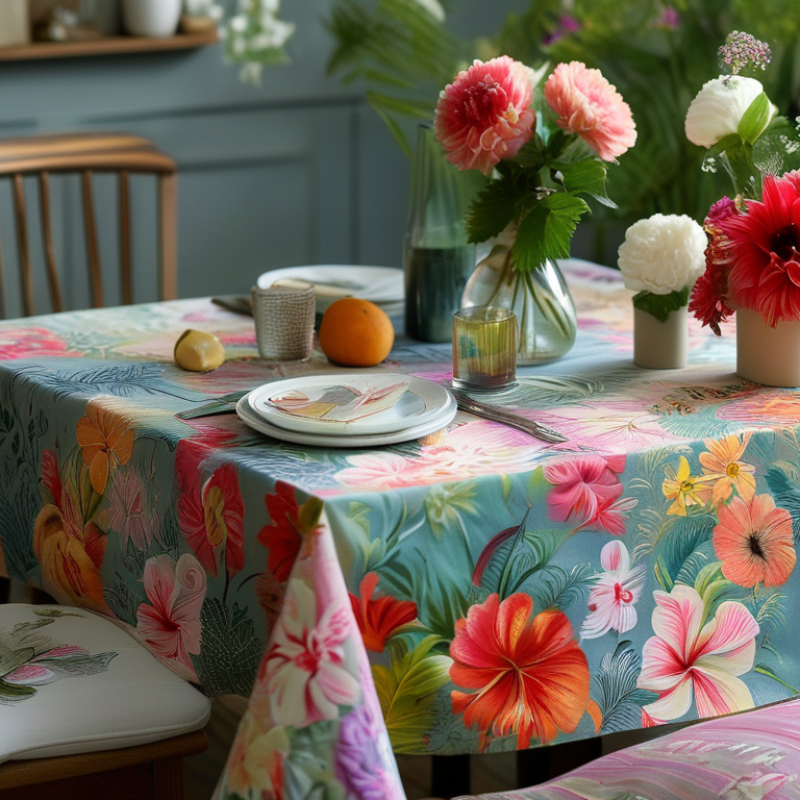
As the floral tablecloth market evolves, global buyers must stay informed about emerging trends for 2026. Recent industry reports show that the floral design sector is projected to grow by 5.6% annually, reflecting a heightened consumer preference for vibrant and intricate patterns. This indicates a shift towards more artistic and personalized table settings. In the wake of sustainability concerns, buyers are increasingly looking for eco-friendly materials. Organic cotton and recycled textiles are gaining traction, appealing to environmentally conscious consumers.
Moreover, the trends are leaning toward unique, oversized floral prints that can serve as a statement piece. These bold patterns add life and character to any dining experience. Some manufacturers note that the demand for bright, tropical floral designs has surged, particularly in warmer regions. However, balancing design with practicality can be challenging. Floral patterns may not always cater to every occasion or aesthetic, leading buyers to carefully consider their selections.
As colors shift towards softer pastels, the market remains diverse. Buyers should also recognize the potential for mismatched patterns and textures. This trend can be bold and exciting, yet it requires a discerning eye. Tracking these trends demands a combination of creativity and compromise, thus offering a richer table decoration experience.
In 2026, floral tablecloth designs are anticipated to reflect a rich tapestry of color palettes. According to industry research, color plays a pivotal role in influencing buyer choices. Pastels remain popular, but vibrant hues are gaining traction. This shift suggests a blend of tradition and modern aesthetics, where flowers like peonies and dahlias inspire fresh designs.
Emerging color trends indicate a demand for bolder color combinations. Deep greens, rich burgundies, and warm terracottas are set to dominate the scene. These hues evoke feelings of nature and luxury, appealing to a wide audience. Recent surveys show that 70% of consumers prefer floral designs that resonate with seasonal themes, indicating a growing interest in sustainable and context-aware decor.
Despite these advancements, challenges persist. Designers must balance boldness with balance. Overly vibrant combinations can detract from the table setting's overall feel. Industry experts recommend testing designs in various settings. Doing so allows designers to refine their offerings and ensure they meet consumer needs effectively. Understanding these nuances can pave the way for successful floral tablecloth collections in the competitive market.
Floral patterns on tablecloths are gaining massive popularity among global buyers. This trend reflects a desire for warmth and vibrancy in home decor. According to a recent market research report by Grand View Research, the global table linen market is set to grow at a rate of 4.5% annually from 2023 to 2030. Floral designs bring a touch of nature indoors, which consumers find appealing in various settings, from casual gatherings to formal events.
Diverse floral patterns have emerged recently, inspired by different cultures. For instance, Japanese cherry blossom motifs capture elegance and beauty. Meanwhile, tropical floral prints offer a lively and festive feel. These designs can elevate any dining experience. It is essential to consider the color palette as well. Soft pastel colors attract a more relaxed vibe, while bold hues bring energy to a space.
**Tip:** When selecting a floral tablecloth, ensure it complements your existing decor. Mixing different patterns can lead to clashes. Experiment with layering textures to achieve a unique look. Regularly update your tablecloths to keep your dining area fresh and inviting. Remember, personal taste is crucial. Trust your instincts.
As the demand for floral tablecloths rises, sustainability becomes crucial in production. Reports show that 70% of consumers prefer eco-friendly materials. Organic cotton and linen are gaining traction among manufacturers. These materials reduce chemical usage and support sustainable farming practices. It's vital to educate buyers on the benefits of these choices.
When considering floral tablecloths, think about water usage in production. Traditional cotton can consume vast amounts of water, while organic options tend to require less. Opting for sustainable fabrics not only benefits the environment but can also enhance the appeal of products.
Tips: Always ask suppliers about their sourcing practices. Check for certifications that demonstrate adherence to sustainability standards. Transparency in materials improves trust and can lead to increased sales. Remember, customers appreciate brands committed to environmental responsibility.
Cultural influences play a significant role in shaping the floral tablecloth trends worldwide. Each region has its unique aesthetic and meaning associated with floral designs. For instance, vibrant colors and bold patterns are often seen in Latin American cultures, representing joy and celebration. In contrast, Asian cultures might emphasize minimalistic designs, reflecting serenity and nature's elegance.
As global interactions become more common, these varied influences merge, creating unique blending patterns. Floral tablecloths now feature motifs that incorporate techniques from different cultures. However, this cross-cultural exchange can sometimes lead to misunderstandings. For example, a design may lose its original meaning in a new context.
Moreover, seasonal influences also affect patterns. Spring brings fresh blooms, while autumn showcases warm hues. Yet, consumer preferences fluctuate, sometimes leading to mismatched designs. Buyers often find it challenging to keep up with these changes. The beauty of floral tablecloths lies in their ability to evolve. Embracing these various cultural perspectives enriches the market, allowing for personalized choices.
| Trend | Cultural Influence | Color Palette | Material | Target Market |
|---|---|---|---|---|
| Eco-Friendly Designs | Sustainability Movement | Earth Tones | Organic Cotton | Environmentally Conscious Consumers |
| Bohemian Patterns | Vintage Revival | Vibrant Colors | Linen Mix | Young Adults |
| Minimalist Floral | Modern Aesthetics | Pastel Shades | Polyester Blends | Urban Dwellers |
| Cultural Heritage Prints | Cultural Appreciation | Bold Jewel Tones | Silk Blend | Affluent Consumers |
| Geometric Floral | Contemporary Art Movement | Monochromatic | Canvas | Art Enthusiasts |
: The market is seeing a rise in vibrant and intricate patterns. Oversized floral prints are gaining popularity as statement pieces.
Buyers prefer artistic designs and eco-friendly materials. Organic cotton and recycled textiles are becoming more sought after by many.
Balancing design and practicality can be difficult. Patterns may not fit every occasion or aesthetic, requiring careful selection.
Colors are shifting towards softer pastels. However, brighter tropical designs are popular, especially in warmer regions.
Each culture brings unique aesthetics. Latin American designs are often vibrant, while Asian styles favor minimalism and elegance.
Yes, a design may lose its original meaning when translated into a different context. This can create confusion among consumers.
Seasonal blooms influence patterns. Spring designs may embody freshness, while autumn tends to focus on warm, rich hues.
Mismatched designs can be bold and exciting, but require a discerning eye. Buyers need to embrace creativity in their choices.
Consumer preferences fluctuate, leading to design mismatches. This dynamic market requires constant observation and adaptability.
Their ability to evolve with trends and incorporate diverse cultural influences enriches market options, allowing for personalized choices.
The article "2026 Top Floral Tablecloth Trends for Global Buyers" provides an insightful overview of the anticipated floral tablecloth trends for the upcoming year. It highlights emerging color palettes that reflect both modern aesthetics and timeless elegance, emphasizing soft pastels and vibrant hues that appeal to diverse markets. A global perspective on popular floral patterns reveals a blend of traditional motifs and contemporary designs, catering to varying cultural preferences.
Furthermore, the article discusses the growing importance of sustainable materials in the manufacturing of floral tablecloths, as eco-conscious consumers seek products that are both beautiful and environmentally friendly. Cultural influences are also explored, showcasing how local traditions and aesthetics shape floral tablecloth trends worldwide. Overall, the trends for 2026 reflect a harmonious balance of innovation, sustainability, and cultural richness in floral tablecloth designs.

Jiayuan