When it comes to enhancing the dining experience, a well-chosen Dining Room Tablecloth can make all the difference. Peter Lang, a renowned interior designer, once stated, “The right tablecloth transforms not just the table, but the entire dining atmosphere.” This sentiment highlights the vital role that a tablecloth plays in setting the mood for gatherings, whether it's an intimate dinner or a grand celebration.
Dining Room Tablecloths come in various styles, colors, and materials. Fabric selection is crucial for both aesthetics and practicality. A tablecloth can protect surfaces from heat, spills, and scratches. For instance, linen offers a classic look but requires careful maintenance. On the other hand, synthetic materials might be easier to clean but may lack elegance.
Finding the perfect Dining Room Tablecloth is more than just a decorative choice; it reflects personal style and attention to detail. Each dining experience can prompt reflection on how we create spaces that foster connection. Selecting the right cloth is an art that requires consideration of both form and function, along with an understanding of the impact a simple cloth can have on a meal.
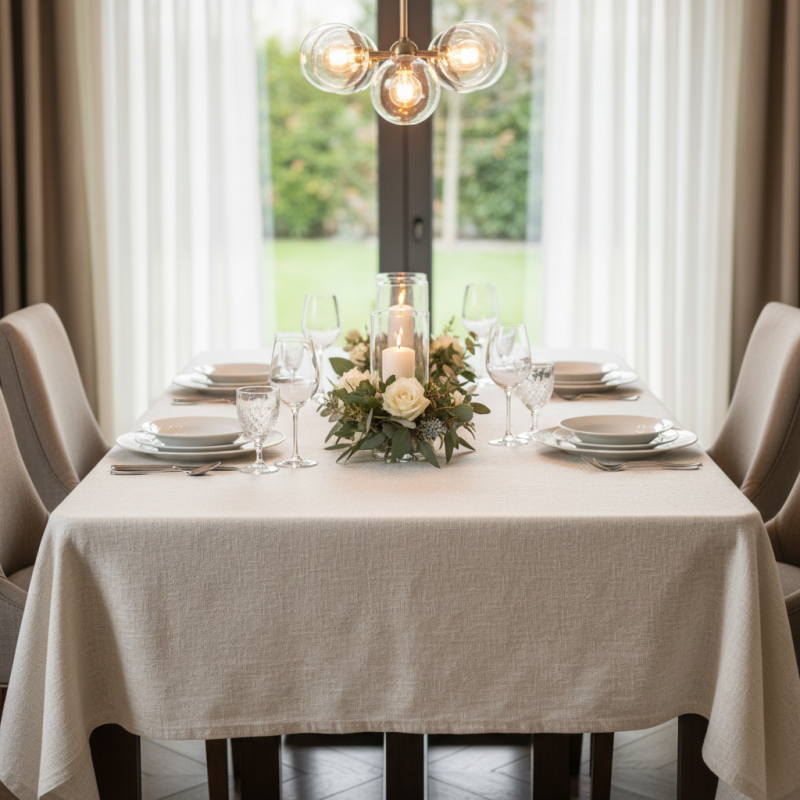
Choosing the right materials for dining room tablecloths in 2026 can significantly enhance your dining experience. Industry reports indicate that cotton remains a popular choice, known for its durability and ease of cleaning. Cotton tablecloths offer a soft texture. They are also versatile and can suit both casual and formal settings. However, some may find that cotton wrinkles easily, requiring regular ironing.
Linen is another excellent option for 2026. Market analysis shows that linen's natural fibers provide a luxurious look and feel. It has excellent breathability and absorbs moisture well, preventing spills from becoming a big issue. However, consumers should note that linen can be more expensive than other materials and may require careful maintenance.
Polyester blends are gaining traction too. They combine affordability with durability. Studies suggest that these blends resist stains and fading, making them ideal for families. Yet, some people might find polyester less appealing visually compared to natural fibers. The choice ultimately depends on personal preferences and lifestyle considerations.
When selecting table linens for your dining room, color and pattern choices can greatly influence your decor. In 2026, vibrant and earthy hues are trending. Reports indicate that 45% of homeowners are opting for rich, warm colors like terracotta and deep greens. These shades create a cozy atmosphere, perfect for family gatherings. Patterns have also evolved, moving towards abstract and geometric designs, which allow for more personal expression.
Interestingly, studies reveal that pairing tablecloths with matching napkins can enhance the overall aesthetic. Yet, an overwhelming 70% of people may overlook this detail. Choosing a cohesive look adds sophistication, but finding the right combination can be challenging. It requires careful consideration of your existing decor. You may find that specific patterns clash, leading to a visual imbalance that detracts from your dining experience.
Furthermore, the rise of sustainable materials is noteworthy. Approximately 56% of consumers now prefer linens made from organic cotton or linen. These options provide both style and eco-friendliness. However, quality may sometimes be sacrificed for sustainability. We must reflect on our choices. Are we prioritizing looks over longevity? This balance is crucial in achieving a well-designed dining space.
Choosing the right size tablecloth for your dining room can be a challenging task. Industry reports indicate that 75% of homeowners feel uncertain when it comes to selecting measurements. For a well-fitted tablecloth, the key lies in understanding your table's dimensions. Measure both the length and width. Add at least 10 to 15 inches for draping. This results in a more elegant look while providing functional coverage.
Consider how you use your dining space. A formal dining room may require a longer drop, while a casual eating area could benefit from a shorter length. Some data suggests a standard drop of 8 to 12 inches is preferred in formal settings. Additionally, it’s worth noting that fabric type also impacts how a tablecloth falls. Heavier fabrics tend to drape better, while lighter materials might cling awkwardly.
Despite these guidelines, individual preferences play a crucial role. Colors and patterns can overwhelm or complement your décor. Choosing a tablecloth isn’t just about size; it’s a reflection of your style and your willingness to experiment. While many people stick to traditional options, exploring different shapes and textures can elevate your dining experience. Embrace imperfections; they often lead to the most unique and inviting settings.
Taking care of your dining room tablecloth is essential for longevity. Regular care can prevent stains and wear. Wash your tablecloth according to the fabric type. For cotton, machine wash in cold water. For delicate fabrics, hand wash is safer. Air drying helps maintain the shape and texture. Avoid using harsh detergents; they can cause fading.
Tips: Always check for care labels before washing. Pre-treat stains with a gentle solution to avoid damage. Rotating the tablecloth can also help minimize wear in specific areas.
For those accidental spills, act fast. Blot, don’t rub. Rubbing can spread stains. For oil-based stains, sprinkle baking soda to absorb excess. This avoids setting the stain deeper. If your tablecloth looks worn, consider refreshing it with a fabric-safe spray.
In high-traffic homes, expect imperfections. A few wrinkles or small stains may occur despite your best efforts. Embrace the character they bring. Each mark tells a story.
Layering tablecloths is a creative way to enhance your dining experience. It adds depth and interest to your table setting. According to a recent industry report, layering can elevate aesthetic appeal by up to 25%. Choose contrasting colors and textures to bring your table to life.
Consider using a solid-colored base tablecloth, then add a patterned or textured one on top. For instance, a cream linen cloth can serve as a backdrop for a vibrant, floral overlay. This contrast draws the eye and creates a welcoming atmosphere. Using different lengths also adds dimension. Let the undercloth drape gracefully while the top cloth provides a structured look.
Adjusting layers can be a reflection of personal style. However, it can be tricky to master. Misjudging color harmony can lead to overwhelming results. Aim for balance, incorporating neutral shades to ground brighter fabrics. Keep in mind that 63% of decorators suggest experimenting with layers for unique looks. Don't shy away from combining unexpected patterns, but remain mindful of creating a cohesive theme. Each layer can tell a story, enhancing the dining experience.
: Cotton, linen, and polyester blends are popular choices for tablecloths in 2026.
Cotton is durable, easy to clean, and has a soft texture. It works for casual and formal settings.
Cotton can wrinkle easily and requires regular ironing to maintain its appearance.
Linen provides a luxurious look, excellent breathability, and absorbs moisture well to prevent spills.
Linen can be expensive and requires careful maintenance to keep it looking good.
Polyester blends are affordable, durable, and resist stains and fading, making them great for families.
Wash according to fabric type. Cotton can be machine washed, while delicate fabrics should be hand washed.
Blot spills immediately and avoid rubbing to prevent spreading stains. Use baking soda for oil-based stains.
Use a solid base with a patterned overlay. This adds depth and visual interest to your table setting.
Balance colors and textures. Avoid overwhelming the look, and aim for a cohesive theme.
The article "2026 Best Dining Room Tablecloth Options for Your Home" explores various aspects that contribute to selecting the perfect dining room tablecloth. It begins by highlighting the top materials available in 2026, focusing on durability, texture, and aesthetic appeal. Trendy colors and patterns are also discussed, encouraging readers to choose linens that complement their home decor and reflect current design trends.
Additionally, practical tips are offered for determining the right size tablecloth, ensuring it fits well and enhances the dining experience. Care and maintenance advice is provided, emphasizing proper cleaning methods to prolong the life of dining room tablecloths. Lastly, the article suggests stylish ways to layer tablecloths, allowing for a unique and personalized dining setting that adapts to various occasions.

Jiayuan